


Table of Contents
- What Are Cosmetic Claims?
- Who Is Responsible for Cosmetic Claims Compliance?
- Why Cosmetic Claims Are Strictly Regulated
- The Regulatory Framework for Cosmetic Claims
- EU Cosmetic Claims: Regulations & Common Criteria
- UK Cosmetic Claims After Brexit
- Are UK and EU Cosmetic Claims the Same?
- What Does Claim Substantiation Mean?
- Accepted Data Sources for Claim Substantiation
- Methods Used to Justify Cosmetic Claims
- Types of Commonly Used Cosmetic Claims
- Trendy Cosmetic Claims & High-Risk Areas
- Social Media, Influencer & Advertising Claims
- How Cosmetic Claims Link to CPSR & Safety Assessment
- Practical Tips to Stay Compliant (Without Overclaiming)
- Common Claim Mistakes That Lead to Non-Compliance
- Final Thoughts on Cosmetic Product Claims
- FAQs
- What’s the most commonly used cosmetic ingredient?
- What is an example of a cosmetic claim?
- What are the 5 main categories of cosmetic products?
- What is the 1% rule in skincare?
- Can I change a cosmetic claim after launch?
- Do all products need a cosmetic safety assessor?
To be honest, we all are aware of the word “claim” even before launching our cosmetic brand or buying a product, right?
We see words like brightening, hydrating, natural, or clinically proven everywhere, on bottles, websites, and social media.
But here’s the thing. In the world of UK cosmetics and EU cosmetics, a claim is not just a marketing word. It’s a legal statement. And once you make it, you are responsible for proving it.
That’s why understanding commonly used cosmetic claims is so important. If you are a small brand owner, a formulator, or just planning to launch your first product, this blog will help you get it right, simply, clearly, and safely.
If you ever feel confused about your claims, this is a good time to speak with cosmetic safety consultants before going live.
What Are Cosmetic Claims?
A cosmetic claim is any message that tells people what your product does or how it works. This includes words on labels, websites, ads, and even social media posts. Under UK and EU cosmetics law, anything that describes a product’s benefit, effect, or purpose is considered a claim.
These claims must always match your cosmetic formulation. If your formula cannot realistically deliver the result you promise, the claim becomes misleading.
For example, saying “deep wrinkle repair” when the formulation only provides surface moisturising can cause problems.
It’s also important to understand the difference between cosmetic claims and medicinal claims. Cosmetics are meant to clean, protect, or improve appearance. They must not treat, cure, or prevent medical conditions. Crossing this line can change your product’s legal status, and that’s a serious risk in both UK cosmetics and EU cosmetics.
Not sure if your wording is cosmetic or medicinal? A cosmetic safety assessor can help you review it before launch.
Who Is Responsible for Cosmetic Claims Compliance?
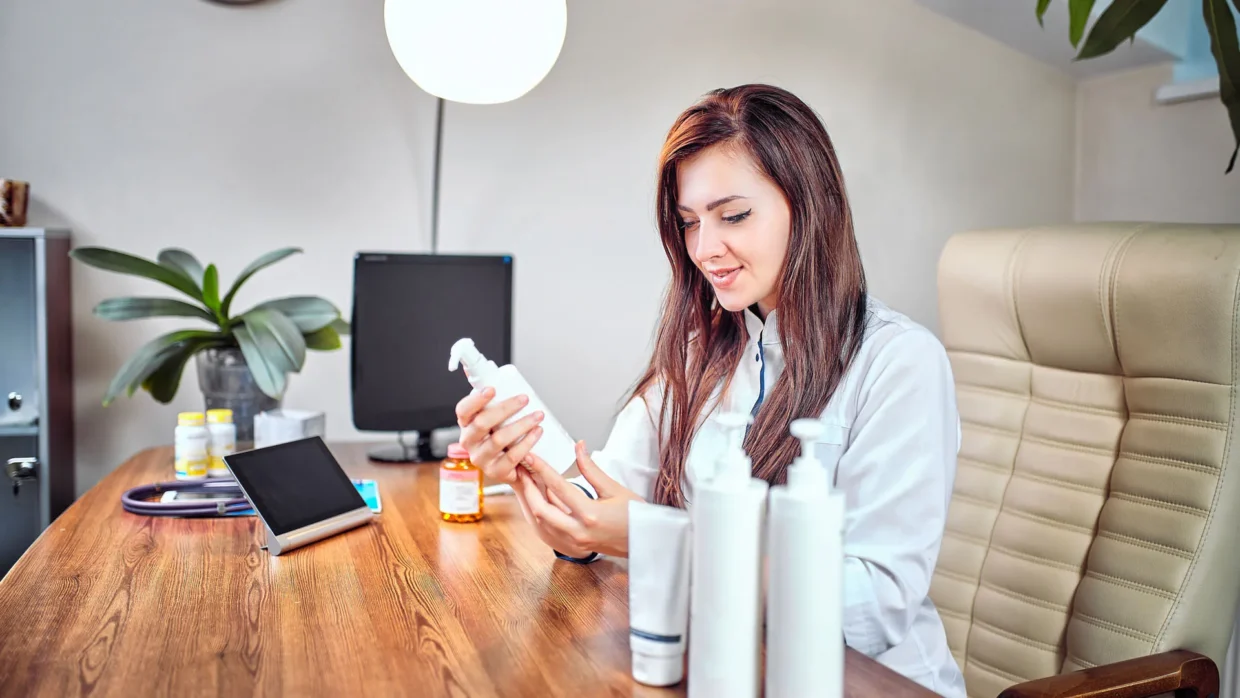
The Responsible Person is legally accountable for claims. They must ensure all claims are compliant, supported, and documented.
Many brands work with cosmetic safety consultants to review claims and avoid mistakes. A qualified cosmetic safety assessor should be involved when claims are complex or high-risk.
Why Cosmetic Claims Are Strictly Regulated
Cosmetic claims are regulated to protect people from false or confusing information. When someone buys a product, they trust the brand to be honest about what it can and cannot do.
Claims are also closely linked to cosmetic safety. If a product promises effects it cannot safely deliver, consumers may misuse it or expect unrealistic results. That’s why regulators focus so much on accuracy and clarity.
If claims do not follow the rules, brands can face warnings, product withdrawals, fines, or damage to reputation.
Non-compliant claims are one of the most common reasons products get into trouble, even when the formula itself is safe. Getting claims right early saves time, money, and stress later.
The Regulatory Framework for Cosmetic Claims
Cosmetic claims are strictly regulated to protect consumers and ensure products are safe and truthful. Brands must follow the rules in their respective markets, using proper evidence to back every claim.
EU Cosmetic Claims: Regulations & Common Criteria
In the EU, claims are governed by Regulation (EC) No 1223/2009 and supported by Regulation (EU) No 655/2013. These introduce the Common Criteria, which require claims to be:
- Truthful and backed by real evidence
- Honest, not exaggerated
- Clear for informed consumer decision-making
- Fair in competition with other products
Authorities inspect these documents to ensure compliance, and failing to meet them can lead to fines, recalls, or market removal.
UK Cosmetic Claims After Brexit
After Brexit, the UK largely mirrors the EU framework. UK cosmetics follow the same Common Criteria rules: claims must be truthful, supported by evidence, and clearly documented. The main difference lies in regulatory procedures, including who receives the CPSR report and how the Responsible Person obligations are managed.
Are UK and EU Cosmetic Claims the Same?
UK and EU cosmetic claims are almost identical. If a product follows EU claim rules, it usually aligns with UK rules. Minor differences exist in documentation submission and regulatory oversight, but the standards for substantiation, formulation alignment, and consumer safety are the same. Brands selling in both markets should ensure CPSR reports and safety assessments meet both jurisdictions.
What Does Claim Substantiation Mean?
Claim substantiation is the process of proving that a claim is true. It’s not about opinions or marketing ideas, it’s about evidence.
This evidence is closely linked to your Cosmetic Product Safety Report (CPSR). Claims must match what is described in the cosmetic product safety report, including ingredient function, exposure, and product use.
If your claims do not align with your cosmetic safety assessment, the product may be considered misleading, even if the formula itself is safe. That’s why claims are often reviewed during the CPSR process. If you’re preparing a CPSR report, it’s smart to review claims at the same time.
Contact us now and get our experts’ help.
Accepted Data Sources for Claim Substantiation
Evidence can come from different sources. Scientific studies and published literature are commonly used when they are relevant to the formulation. Ingredient supplier documents can also support claims, but only if they match your actual ingredient levels.
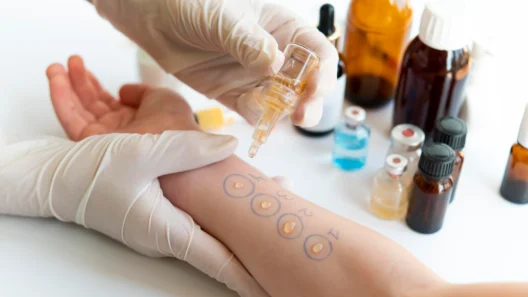
Testing plays a big role too. In-vitro, in-vivo, and consumer studies help show how a product performs in real use. Sometimes brands also use historical or benchmark data, but this must still be relevant and up to date.
The key rule is simple: the data must fit your product, not someone else’s.
Methods Used to Justify Cosmetic Claims
Cosmetic claims need solid proof to be trusted by consumers and regulators. Brands usually rely on specific methods to ensure their statements are accurate and realistic.
- Analytical & Laboratory Testing: Measures product performance under controlled conditions.
- Consumer Perception Tests: Gathers feedback on how real users experience the product.
- Literature-Based Justification: Uses existing scientific research to support claims.
Most brands combine these methods to create strong, reliable evidence for their claims. Ensuring your claims are properly justified not only boosts credibility but also reduces regulatory risk. Consider working with experts to make your claim substantiation process smooth and compliant.
Types of Commonly Used Cosmetic Claims
Cosmetic claims appear in many different forms, and each type means something slightly different under UK and EU cosmetics rules. Some claims talk about results, some talk about feel, and others reflect brand values. Knowing which is which helps brands avoid risky wording and stay compliant.
Performance & Efficacy Claims
Performance and efficacy claims explain what a product does when used as directed. Common examples include moisturising, smoothing, or anti-frizz. These claims must be realistic and supported by evidence.
For example, a face cream may claim “provides 24-hour hydration.” This is acceptable only if testing or data support that result. Saying “repairs deep wrinkles” without proof would likely cross into non-compliance because it promises a medical-like effect.
Marketing & Sensory Claims
Marketing and sensory claims focus on how the product feels during use rather than long-term results. Words like lightweight, non-greasy, or fast-absorbing are common in this category.
As an example, a sunscreen described as “fast-absorbing” should soak into the skin quickly for most users. If customers regularly complain that it feels thick or sticky, the claim may be considered misleading even though it sounds harmless.
“Free From” Claims
“Free from” claims highlight what a product does not contain, such as paraben-free or sulfate-free. These claims are popular but carefully regulated in EU cosmetics.
For example, stating “free from banned chemicals” is misleading because banned substances are already not allowed in any cosmetic. This type of wording can wrongly suggest that other products on the market are unsafe.
“Natural” & “Organic” Claims
Claims like natural or organic often appeal to consumers, but they can easily cause confusion. There is no single legal definition of “natural” in cosmetics, which makes these claims sensitive.
Such as calling a product “100% natural” when it contains preservatives or synthetic stabilisers can be misleading. Organic claims usually require recognised certification to be considered credible and compliant.
“Hypoallergenic” Claims
A hypoallergenic claim suggests that a product is less likely to cause allergic reactions. Because this directly links to cosmetic safety, it requires strong justification.
For instance, simply removing fragrance does not automatically make a product hypoallergenic. The full formulation must be reviewed in the cosmetic safety assessment to support this claim properly.
Ethical & Lifestyle Claims
Ethical and lifestyle claims reflect brand values rather than product performance. Common examples include vegan, not tested on animals, and halal.
For example, a vegan claim means the product must not contain ingredients like beeswax or lanolin.
A halal claim may require certification depending on the market. Using these claims without proper checks can quickly lead to compliance issues.
Common Cosmetic Claims by Product Type (UK & EU Compliant)
Different cosmetic products use specific claims to communicate benefits safely and legally. This table shows popular, compliant claims for each product type to guide your marketing and ensure regulatory compliance.
| Product Type | Commonly Used Claims (Compliant with Cosmetic Definition) |
|---|---|
| Hair Care, Cleansing, or Styling Products | Volumizing, Anti-dandruff, Frizz control, Heat protection, All-day hold, Shine and luminosity, Strengthens hair, Protects from split ends |
| Face Cream / Serum | Hydrating / Moisturising, Brightening / Radiance-enhancing, Reduces fine lines and wrinkles, Anti-aging, Anti-blemish, Black spots, Anti-acne, Pore-refining, Smooths skin texture |
| Makeup & Sunscreens | Long-lasting, Waterproof, SPF protection / Broad-spectrum UV defense, Non-comedogenic, Lightweight, Fast-absorbing |
| Any Skin Care Product | Dermatologically tested, Sensitive skin, Suitable for all skin types, Hypoallergenic, Non-irritating, Soothes redness |
| Teeth Products | Whitening, Refreshing, Enamel-safe, Cavity protection, Breath-freshening |
| Soaps & Cleansers | Sebum-balanced, Suitable pH (5–5.5), Gentle on skin, Moisturising, Skin-softening |
| Intimate Products | Microbiome-friendly, Protects skin microbiome, pH-balanced, Gentle cleansing |
| Any Cosmetic Product | Vegan, Cruelty-free, Natural, Organic, Eco-friendly / Sustainable, Free from parabens / sulfates, Ethical sourcing |
Trendy Cosmetic Claims & High-Risk Areas
Trendy words like “clean beauty” sound appealing, but they have no legal definition in the UK or EU cosmetics. Without a clear explanation, they can easily mislead consumers.
Sustainability and eco-claims are also under close attention. Words like “eco-friendly” or “planet-safe” must be specific and supported by data. Vague promises are no longer safe.
Overpromising results is another major risk. Claims like “instant results” or “clinically proven” must be backed by strong evidence. The same applies to “free from” claims used as marketing tools.
Before jumping on trends, pause and check compliance.
Social Media, Influencer & Advertising Claims
Social media is a powerful way to connect with customers, but every post, story, or hashtag can count as a cosmetic claim. Even influencer reviews or sponsored videos fall under your responsibility.
Key points to keep in mind:
- Brands are legally responsible for all claims made by influencers.
- Review and approve influencer content before it goes live.
- Avoid exaggerated, misleading, or unverified statements.
- Use clear, simple internal guidelines for digital marketing content.
- Monitor social media posts regularly to ensure ongoing compliance.
- Keep records of all influencer agreements and content approvals.
By keeping claims accurate and consistent, you protect your brand and your customers. Implement these steps today to reduce risk and confidently promote your products online.
How Cosmetic Claims Link to CPSR & Safety Assessment
Claims are reviewed during the CPSR assessment. The cosmetic safety assessor checks whether claims match formulation data, ingredient function, and exposure levels.
This link is critical. Claims that do not align with the cosmetic product safety assessment can raise red flags, even if the product passes testing.
That’s why CPSR cosmetics documentation should always be consistent and complete.
If you’re updating claims, update your CPSR report too.
Practical Tips to Stay Compliant (Without Overclaiming)
Keeping your claims honest doesn’t have to be complicated. Small adjustments can protect your brand and build trust with customers. Focus on clarity, consistency, and evidence-based claims.
Key tips:
- Only claim what your product can realistically achieve. Avoid medical or drug-like language.
- Update all substantiation documents whenever formulations change.
- Think like a regulator, not just a marketer. Ask: “Could this confuse an average consumer?”
- Keep claims consistent across labels, websites, and social media channels.
Following these simple steps helps you stay compliant while keeping your marketing strong. When in doubt, a cosmetic safety consultant can review your claims and give you peace of mind.
Common Claim Mistakes That Lead to Non-Compliance
Even small missteps in your product claims can land your brand in hot water. Many brands unknowingly make errors that regulators notice immediately.
Top mistakes to avoid:
- Drug-Like Wording: Using medical or treatment language that implies curing a condition.
- Exaggerated Benefits: Overstating what ingredients can realistically achieve.
- Unsupported Numbers: Listing percentages, timelines, or results without evidence.
- “Free From” Errors: Claiming “free from” ingredients without proper verification.
- Inconsistent Claims: Showing different statements across labels, websites, or social media.
Keeping your claims honest and consistent protects your brand and builds trust with customers. A cosmetic safety consultant can help you review claims and stay compliant effortlessly.
Final Thoughts on Cosmetic Product Claims
Compliant cosmetic claims are more than a legal requirement, they are a way to build lasting trust with your customers. Clear, honest, and evidence-backed claims show that your products are safe, reliable, and professionally formulated. While following regulations may feel strict, it protects your brand from costly mistakes, product recalls, and reputational damage, which can be far more expensive in the long run.
Good marketing and compliance can go hand in hand. Creativity is welcome, but it works best when grounded in proper testing, documentation, and substantiation. Small but consistent steps like updating your safety files, reviewing claims after formulation changes, and ensuring consistency across labels, websites, and social media make a big difference.
If you ever feel unsure about a claim, it’s always better to get professional guidance. A cosmetic safety consultant or qualified safety assessor can review your claims, help you avoid compliance pitfalls, and give you confidence to market your products safely and effectively. Start early, and protect both your brand and your customers.
FAQs
What’s the most commonly used cosmetic ingredient?
Water is the most common ingredient in cosmetics. It acts as a base for creams, lotions, and serums, helping other ingredients mix and remain stable. Water also helps provide the right texture and hydration for many formulations. Its quality and purity are critical for overall product safety.
What is an example of a cosmetic claim?
A common cosmetic claim is “Provides 24-hour hydration.” Such claims must be supported by proper testing and documentation to prove they are accurate. Without evidence, the claim could be considered misleading and lead to compliance issues. Always keep substantiation ready to back up any product claims.
What are the 5 main categories of cosmetic products?
Cosmetic products are usually grouped into five main categories: skin care, hair care, makeup, fragrance, and personal hygiene. Each category has its own regulatory and safety requirements. Understanding the category helps in drafting the PIF and ensuring proper safety assessments.
What is the 1% rule in skincare?
The 1% rule refers to ingredients present at 1% or less in a formula. These ingredients may be listed in any order at the end of the ingredient list. Even at low concentrations, their safety must be assessed. Proper documentation ensures compliance with cosmetic regulations.
Can I change a cosmetic claim after launch?
Yes, you can update claims after a product launch, but it requires careful review. You must revise your substantiation documents to reflect the new claim. It’s also important to ensure the updated claim complies with all UK and EU regulations. Failing to do so could lead to enforcement actions or recalls.
Do all products need a cosmetic safety assessor?
Every cosmetic product sold in the UK or EU must have a qualified safety assessor approve its CPSR. The assessor ensures the product is safe and meets legal requirements. This professional oversight protects your brand and prevents compliance issues. Even minor formula changes should be reviewed by the assessor.

[…] minimal erythema dose with and without the product, and gives you a defensible SPF number. For any claim above SPF 30, this is effectively required in the […]