


Many brands assume that anti-itch skincare products automatically fall under cosmetic regulations. However, anti-itch creams can be classified as either cosmetics or medicinal products depending on their ingredients, claims, and intended use.
To differentiate it is extremely important because product classification determines whether you need a Cosmetic Product Safety Report (CPSR), a cosmetic safety assessment, medicinal authorization, or additional regulatory approvals.
Under EU Cosmetics Regulation (EC) No. 1223/2009 and UK cosmetics rules, products that soothe, moisturize, or calm the skin may qualify as cosmetics. But products claiming to treat eczema, dermatitis, inflammation, or allergic reactions are usually classified as medicinal products.
In this guide, you’ll learn:
- When anti-itch creams are considered cosmetics
- When they become medicinal products
- CPSR and cosmetic safety assessment requirements
- Common compliance mistakes brands make
- How to keep anti-itch products compliant in the UK and EU
What Is Cosmetics?
A cosmetic is a product made to care for the outside of the body. It does not treat diseases or change how the body works internally. Instead, it keeps the skin clean, comfortable, and looking healthy.
Under EU and UK rules, a cosmetic is used on skin, hair, nails, or lips to:
- Clean
- Protect
- Moisturize
- Improve appearance
- Maintain skin condition
Common examples include hand lotion, face cream, body wash, shampoo, and lip balm. These are part of daily routines and support comfort and appearance, not healing.
Cosmetics mainly work on the surface of the skin, hydrating, softening, or protecting the skin barrier without altering biological processes. A cosmetic product must pass a safety check before sale, but detailed regulatory documentation is covered later.
For anti-itch creams, if the product soothes, hydrates, or improves skin feel without medical claims, it is usually considered a cosmetic.
What Is a Medicinal Product?
A medicinal product, or medicine, is designed to treat, prevent, or manage a medical condition. Unlike cosmetics, medicines work on the body to fix health problems by affecting biological processes.
Medicinal products may:
- Treat or prevent disease
- Heal damaged skin
- Reduce inflammation
- Control allergic reactions
Examples of medicinal skin products include steroid creams for eczema, prescription ointments for dermatitis, and products with strong actives like hydrocortisone. These products go beyond surface comfort, they actively treat a condition and must pass strict medical approval processes.
Anti-itch products can fall into this category if they claim to treat eczema, reduce inflammation, or stop allergic itching. In these cases, regulators classify them as medicines, even if they look like regular creams.
The key difference from cosmetics is what the product promises to do, not its texture or appearance. Correct classification is important under EU and UK rules because selling a medicinal product as a cosmetic can lead to serious legal consequences.
Why Anti-Itch Creams Sit in the Gray Area
Sometimes people experience itching because of dry skin, sun exposure, or mild irritation. In these cases, a cream that soothes, hydrates, or calms can be a cosmetic, acting on the surface to improve comfort and appearance without affecting how the body works.
But itching can also come from eczema, allergies, or dermatitis. Products claiming to treat the cause of itching are considered medicinal. Regulators focus on claims, ingredients, and marketing rather than texture or packaging.
Quick Comparison
| Feature | Cosmetic | Medicinal Product |
| Purpose & Claims | Soothes itchy skin | Treats eczema or rash |
| How It Works | Surface relief | Affects biological processes |
| Ingredients | Moisturizers, soothing extracts | Steroids, antihistamines |
| Packaging & Labels | Skincare-style | Medical wording, treatment-focused |
Keeping Anti-Itch Creams Cosmetic
To stay a cosmetic:
- Use safe claims like “soothes itchy skin” or “hydrates.” Avoid “treats eczema” or “heals rash.”
- Work on the skin’s surface, supporting hydration and comfort rather than altering biology.
- Use cosmetic-approved ingredients: glycerin, shea butter, chamomile, and aloe vera. Avoid drug ingredients like steroids or antihistamines.
- Packaging should be friendly and skincare-style, not medical.
This approach will keep compliance with EU and UK cosmetics rules, reduce regulatory risk, and reassure consumers that the product is safe for everyday use.
When Anti-Itch Products Become Medicinal
A product becomes medicinal if it:
- Claims to treat or cure conditions like eczema or dermatitis
- Contains active drug ingredients such as hydrocortisone or antihistamines
- Uses medical-style packaging or language like “treatment” or “therapy.”
Misclassification can lead to fines, market removal, re-labeling, and damage to brand trust. Brands often rely on cosmetic safety assessments and borderline reviews to make sure correct classification.
In short, it sits in a gray area because claims, ingredients, and marketing define their category. Staying within cosmetic limits keeps the product compliant, safe, and consumer-friendly, while crossing these lines moves it into the medicinal category.
Understanding Borderline Cosmetic Products
Some anti-itch creams sit between cosmetics and medicines, in a “borderline cosmetic” category. These products look like cosmetics but make claims that could also be seen as medical, such as soothing itchy skin while helping mild eczema.
Regulators review ingredients, claims, and intended use to decide which rules apply. Borderline products often need extra evaluation, including a cosmetic safety assessment, cosmetic product safety report (CPSR), and sometimes expert consultation.
Cosmetic safety consultants check:
- Claims and marketing language
- Ingredient safety and function
- Consumer perception and packaging
Even small changes in wording or formulation can shift a product from borderline to fully cosmetic, or into the medicinal category. Proper review protects brands from regulatory penalties, makes sure consumer safety, and maintains trust. Borderline assessment also lays the groundwork for a CPSR, documenting compliance and safety for EU and UK markets.
What is a Cosmetic Safety Assessment?
Every cosmetic, including anti-itch creams, must pass a cosmetic safety assessment before being sold in the EU or UK. This process verifies that the product is safe for use, especially on sensitive skin.
Experts review ingredients, amounts, and usage to check for irritation, allergies, or other risks. They assess:
- Ingredient safety: Each component is evaluated against scientific data.
- Exposure: How much of the product people might use, and whether that is safe.
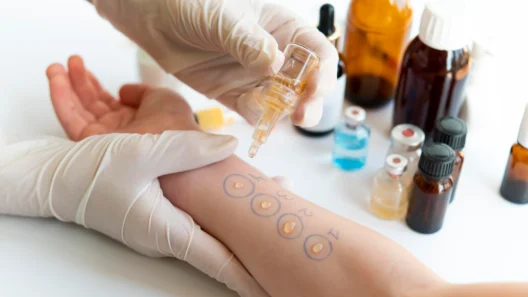
- Skin testing: makes sure the product won’t cause sensitivity or reactions.
- Final conclusion: Confirms the product is safe for cosmetic use.
All findings are documented in a Cosmetic Product Safety Report (CPSR), proving compliance to regulators and consumers.
This assessment protects users, maintains trust, and supports compliance with EU and UK cosmetics law. It also strengthens brand credibility by demonstrating professional review and safe formulation.
What Is a CPSR and Why Is It Mandatory
A CPSR (Cosmetic Product Safety Report) is a legal requirement for all cosmetics, including anti-itch creams, in the EU and UK markets. It is a detailed safety file that proves a product has been professionally reviewed and is safe for consumer use.
A CPSR typically includes:
- Product Description: Use, formulation type, and target area.
- Ingredient Review: Scientific evaluation of each ingredient, exposure levels, and potential risks.
- Toxicological Assessment: Confirms ingredients are safe at the used concentrations.
- Safety Conclusion: Expert summary confirming the product is safe.
- Label Review: Verify claims, warnings, and ingredient lists comply with regulations.
Guide for Anti-Itch Cream Safety Assessments
- Ingredient Safety Checks
Every ingredient is reviewed for safety. Experts make sure it won’t cause irritation, allergies, or other reactions. Even natural extracts like chamomile or aloe vera are assessed to confirm safe concentrations. - Exposure and Usage Review
Specialists calculate how much of the cream consumers might use daily and how often. This makes sure that regular use, especially in sensitive areas, is safe. - Skin Irritation and Sensitivity Review
Formulations are tested for redness, irritation, or allergic reactions. This confirms the cream is gentle and safe for the skin. - Final Safety Conclusion
The cosmetic safety assessor provides a summary confirming the product is safe for regular use. This conclusion is the core of the CPSR.
Following these steps makes sure EU and UK compliance, protects your brand, builds consumer trust, and keeps the product clearly in the cosmetic category rather than medicinal.
Who Is Allowed to Write a CPSR?
Not everyone can write a Cosmetic Product Safety Report (CPSR). Only a qualified cosmetic safety assessor can prepare and sign this document under EU and UK cosmetics law.
These assessors usually have scientific qualifications in:
- Toxicology
- Pharmacy
- Chemistry
- Medicine
- Other life sciences
They understand how ingredients behave on skin, interact, and affect humans over time. For anti-itch creams applied to sensitive areas, expert evaluation is essential.
Many brands hire cosmetic safety consultants to:
- Review ingredients and exposure
- Conduct the cosmetic safety assessment
- Compile the full CPSR
Our professionally prepared CPSR demonstrates compliance and builds trust with regulators, retailers, and consumers.
Common Mistakes Brands Make With Anti-Itch Products
- Using Medical Words by Accident
Claims like “treats eczema” or “heals itching” can unintentionally classify a cosmetic as a medicinal product. - Copying Competitor Claims
Each product must be individually assessed. Borrowing wording from other brands risks non-compliance with EU and UK rules. - Ignoring Cosmetic Safety Assessment Rules
Skipping or rushing a CPSR can result in incomplete or invalid documentation, making the product legally unsellable. - Skipping Borderline Review
Products in the gray area may appear cosmetic but could be medicinal. Failing to review them properly can trigger regulatory enforcement. - Overlooking Packaging & Marketing Language
Medical-style labels, “treatment” wording, or imagery suggesting healing can push a cosmetic into the medicinal category.
Mistakes can lead to product removal, costly re-labeling, fines, and loss of consumer trust. Proper CPSR preparation, clear claims, and expert review make sure the safe, compliant, and trustworthy anti-itch creams.
Why Proper Classification Builds Trust
Proper classification isn’t just a legal requirement, it’s a key factor in building trust, credibility, and long-term success for your brand. When an anti-itch product is correctly classified as a cosmetic or a medicinal product, everyone benefits: brands, regulators, and consumers.
Consumer Trust
Consumers want confidence when using skincare products, especially anti-itch creams applied to sensitive or irritated skin. Compliance with EU cosmetics and UK cosmetics rules, combined with a completed cosmetic safety assessment and a valid CPSR, reassures users that a qualified assessor has reviewed the product. This transparency reduces doubt and builds loyalty.
Regulator Confidence
These products often fall into a borderline category. Clear claims, labeling, and proper documentation demonstrate responsibility. A well-prepared CPSR makes inspections safe and reduces the risk of warnings or penalties.
Brand Reputation
Following classification rules protects your brand. Misclassified products can damage years of effort. Proper classification shows professionalism, responsibility, and respect for consumer safety.
Long-Term Business Safety
Correct classification helps avoid:
- Product bans
- Legal disputes
- Costly recalls
- Loss of retail partnerships
Working with our experienced cosmetic safety consultants keeps your anti-itch product compliant as regulations evolve.
How Certified Cosmetics Supports Compliance
Certified Cosmetics helps brands make sure their products follow EU and UK cosmetics rules safely and easily.
CPSR Preparation
They prepare full cosmetic product safety reports for all products, checking formulations, ingredient safety, usage levels, and legal requirements.
Cosmetic Safety Assessments
Certified assessors review anti-itch creams carefully, focusing on sensitive skin, frequency of use, and target users.
Borderline Cosmetic Evaluations
They determine if a product should be classified as a cosmetic or a medicine by assessing claims, ingredients, marketing language, and packaging.
Ongoing Regulatory Guidance
Certified Cosmetics provides updates on changing laws to keep products compliant, helping brands launch safe and legal products with confidence.
What Happens If a Product Is Classified Incorrectly
Misclassification of anti-itch creams or lotions can lead to significant consequences that affect both brands and consumers.
- Market Removal
If authorities determine that a product should have been classified as a medicinal product rather than a cosmetic, it can be immediately removed from shelves. Online listings may be taken down, and sales can halt without warning, which can severely impact revenue and market presence. - Legal Penalties and Fines
Incorrect classification may trigger regulatory fines, formal warnings, or investigations. Selling a product without a proper CPSR or safety assessment is considered a serious compliance breach under EU and UK law. - Re-Labeling and Reformulation Costs
Brands may be required to rewrite claims, update packaging, reformulate ingredients, and redo the full cosmetic product safety report. These corrective actions can be time-consuming and expensive, delaying future product launches. - Damage to Brand Trust
Consumer confidence is easily shaken. Customers expect products to be safe, clearly labeled, and honest. Misclassification can erode trust even if the product itself is secure, making it harder to retain loyal buyers. - Business and Regulatory Reputation
Frequent compliance issues can harm a brand’s reputation with regulators, retailers, and partners. Persistent misclassification problems may result in stricter inspections, more scrutiny for future products, and a long-term negative impact on business credibility.
Final Thoughts
Anti-itch creams and lotions may seem like simple skincare products, but their classification can be surprisingly complex. Whether a product is considered a cosmetic or a medicinal product depends not on its texture or scent, but on its claims, ingredients, and how it works on the skin. Cosmetics focus on comfort, hydration, and surface-level care, while medicinal products actively treat or prevent conditions like eczema or allergic reactions.
Correct classification is crucial for brands, regulators, and consumers. For brands, it ensures compliance with EU and UK cosmetics laws, avoids fines, market removal, and costly re-labeling, and protects reputation. For consumers, it guarantees safety, reliability, and trust in the products they use.
A cosmetic safety assessment and a valid CPSR are essential steps to verify that anti-itch creams are safe and compliant. Understanding and respecting the boundary between cosmetic and medicinal classification protects both your brand and your customers.
Proper evaluation, clear claims, and thorough documentation turn what could be a gray area into a safe, compliant, and consumer-friendly product. With our experts’ right guidance, these creams can deliver comfort and care while staying firmly within cosmetic regulations.
FAQs
Does lotion fall under cosmetics?
Yes, most lotions are considered cosmetics. If a lotion is made to moisturize, soften, or protect the skin, it falls under EU cosmetics and UK cosmetics rules. However, if it claims to treat a medical condition, it may no longer be a cosmetic.
What qualifies as a cosmetic?
A cosmetic is a product used on the outside of the body to clean, protect, perfume, or improve appearance. Examples include creams, lotions, soaps, and skincare products. Cosmetics must not claim to cure or treat diseases and must have a valid cosmetic safety assessment and CPSR.
Is skin cream a cosmetic?
Most skin creams are cosmetics. If the cream hydrates, soothes, or improves how the skin looks, it is a cosmetic product. Skin creams that claim to treat eczema, infections, or medical conditions may be classified as medicines instead.
Is hand lotion a cosmetic?
Yes. Hand lotions are usually cosmetics because they moisturize and protect the skin. As with all cosmetics, they must comply with cosmetic safety rules and have a cosmetic product safety report before being sold.
Can an anti-itch cream be both a cosmetic and a medicine?
No, a product cannot be both at the same time. It is either a cosmetic or a medicinal product. The classification depends on its claims, ingredients, and how it works on the skin.