
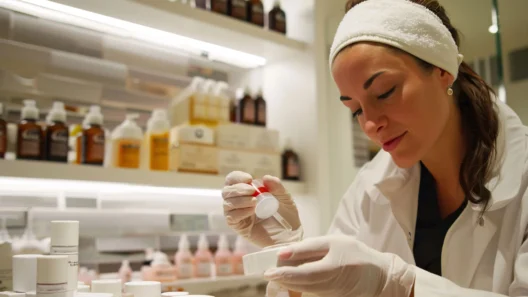



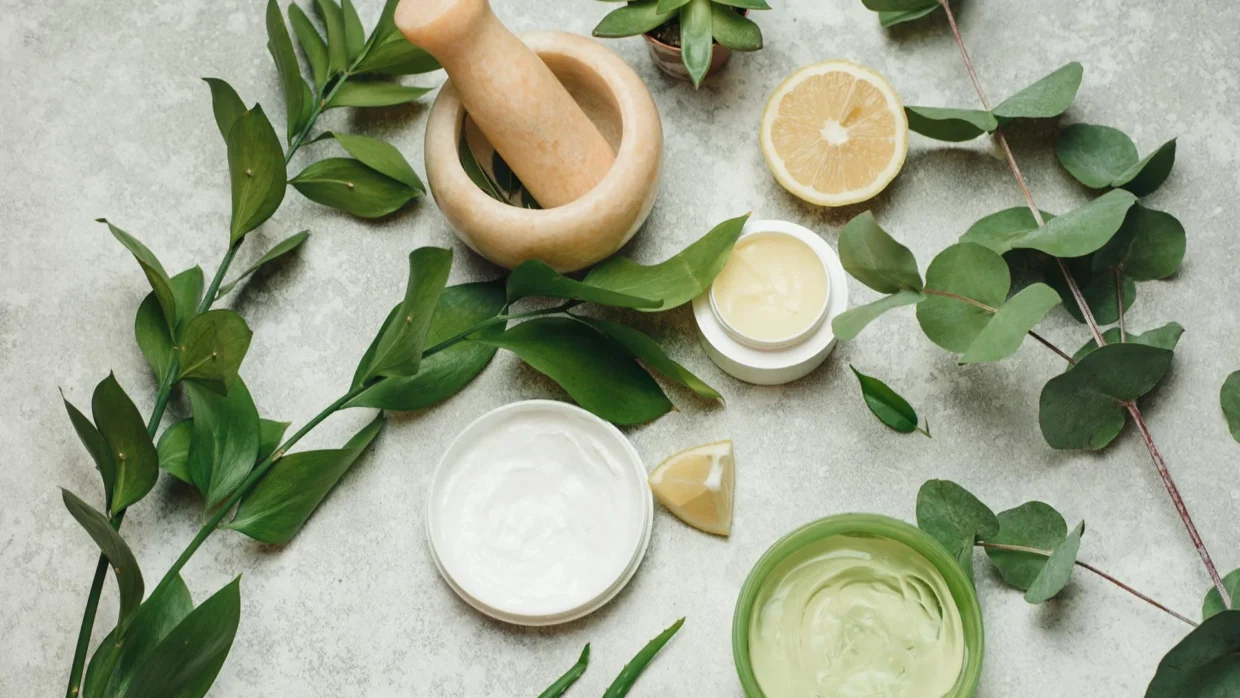
In the natural and organic cosmetics, compliance is often misunderstood, and that misunderstanding quietly puts many brands at risk. There’s a belief that if a product is made with plant-based, clean, or organic ingredients, it somehow falls under lighter regulation. It feels logical, natural, and safe. But legally, that assumption doesn’t hold up.
Under EU cosmetic law, there is no distinction between a handmade botanical serum and a lab-formulated synthetic cream. The same requirements apply, regardless of how “clean” or “green” your formula is. Every product must meet strict safety, documentation, and labeling standards before it can be sold.
The problem is, many brands only discover this after something goes wrong, a rejected listing, a compliance check, or a customer issue. By then, the fix isn’t small or quick. Understanding the rules early isn’t optional; it’s what protects your product, your reputation, and your ability to sell.
So what does the law actually say?
Legal Reality Check: Under EU Regulation 1223/2009 and the UK Cosmetic Regulation, every cosmetic product sold to consumers, regardless of whether it’s “100% natural,” handmade, small-batch, or sold on Etsy, requires a Cosmetic Product Safety Report (CPSR). No exceptions.
EU Regulation 1223/2009: CPSR Requirements for Cosmetics
EU cosmetic law is based on Regulation (EC) No 1223/2009, also applied in the UK. Article 10 clearly sets out strict, non-negotiable rules for cosmetic safety assessments.
Every cosmetic product must undergo a safety assessment and have a CPSR completed by a qualified safety assessor before it’s placed on the market.
The regulation is completely composition-neutral, which many people overlook. It means the law doesn’t care what your product is made of. A lavender balm with simple natural ingredients is assessed with the same strict standards as a synthetic anti-aging cream from a major lab.
The idea that “natural” automatically means “safe” is a marketing story, not a scientific one.
What Counts as a Cosmetic Product?
Under the regulation, a cosmetic is any product applied to the external parts of the human body, skin, hair, nails, lips, teeth, mucous membranes, for the purpose of cleaning, perfuming, changing appearance, or protecting. That’s broad. It covers lip balms, solid shampoos, facial oils, deodorants, body scrubs, baby wash, all of it. If you’re selling it to end consumers, it’s in scope. And if it’s in scope, it needs a CPSR.
Natural and Organic Cosmetics: Common CPSR Myths vs Legal Reality
| The Myth | The Legal Reality |
| “Natural/organic cosmetics are exempt from regulations.” | All cosmetics sold in the EU/UK must comply with Regulation (EC) 1223/2009. No exemption exists based on ingredient origin. |
| “Essential oils are safe; they come from plants.” | Essential oils are highly concentrated and contain documented allergens and irritants. Many are restricted under EU Annexes. A safety assessor must verify dermal limits. |
| “Small-batch or handmade products don’t need a CPSR.” | There is no small-batch exemption anywhere in EU or UK cosmetic law. If it’s sold to 10 people or 10,000, it needs a valid CPSR and product notification. |
| “My COSMOS or Soil Association certification is enough.” | Organic certification confirms only sourcing and production standards. It says nothing about legal compliance for sale. You still need a CPSR, a Responsible Person, and a product notification. |
| “If I sell on Etsy, marketplace rules apply, not cosmetic law.” | Etsy is a sales platform, not a legal jurisdiction. EU/UK cosmetic regulation applies to the seller regardless of which platform the sale happens on. |
| “I don’t make health claims, so I don’t need to worry.” | CPSR requirements have nothing to do with claims. They’re about product safety, claim-free or not; every product needs a full safety assessment and PIF. |
Cosmetic Product Safety Assessment:
A Cosmetic Product Safety Report isn’t just paperwork. It’s a scientific document, and for natural and organic cosmetics specifically, it’s often more complex than assessments for conventional products. Here’s something most people don’t realize: natural formulas frequently require more rigorous testing, not less.
Why? Because synthetic formulas often have predictable, well-documented ingredient profiles. Your rose hip oil? It contains over 200 chemical compounds, including fatty acids, carotenoids, tocopherols, and trace allergens, many of which interact in ways that require careful evaluation.
Role of a Safety Assessor in a Cosmetic Product Safety Report (CPSR)
The safety assessor is a qualified professional, usually a toxicologist, pharmacist, or cosmetic scientist, who is legally responsible for signing off on your CPSR. They’re not just checking a box. They review the full toxicological profile of every ingredient, evaluating how each behaves in your specific formula at your specific concentrations.
Under Article 10, the safety assessor must confirm that your product is safe under normal and reasonably foreseeable conditions of use. The assessment has two parts: Part A (Safety Information) and Part B (Safety Assessment).
Microbiological Testing in Cosmetics: A Key CPSR Requirement
Here’s where many natural brands run into problems. Conventional cosmetics use proven synthetic preservatives such as parabens and phenoxyethanol, which have strong safety data. Natural options like rosemary extract or vitamin E can be less stable and less reliable.
Microbiological testing is non-negotiable. Your CPSR must include challenge testing to ensure the preservative system works against bacteria and fungi. Without it, products can grow harmful pathogens, especially in leave-on or eye-area products where safety is critical.
Stability Testing in Organic Cosmetics: Keeping Product Safety and Shelf Life
Natural ingredients are chemically complex, making them exciting to formulate but harder to stabilize. Plant oils can oxidize, botanical extracts can degrade, and color or pH may change over time depending on storage conditions.
Stability testing is essential and usually runs for at least 12 weeks under accelerated conditions, plus real-time checks. It assesses the effects of temperature, light, and packaging. This data supports your CPSR and sets your shelf life and PAO. Without it, “use within 12 months” claims are just guesswork and a compliance risk.
Ingredient Safety and Toxicological Profile in Natural and Organic Cosmetics
Let’s talk about essential oils for a moment, because they’re the ingredient category that catches the most natural brands completely off guard.
Bergamot essential oil comes from a citrus fruit. Completely natural. It also contains bergapten, a furanocoumarin that causes phototoxic reactions, meaning if your product is left on skin and the user steps into sunlight, they can experience severe burns and lasting pigmentation changes. Tea tree oil has well-documented potential for sensitization at concentrations above 1%. Lavender, soft, gentle, relaxing lavender, contains linalool and linalool hydroperoxides, both classified as skin sensitizers under EU cosmetic regulation.
They’re ingredients in thousands of natural cosmetics sold every day by brands that simply don’t know the toxicological profile of the products they use.
Toxicological Profile in Cosmetics: What Safety Assessors Look At
For every ingredient in your formula, a safety assessor checks its full toxicological profile to make sure it is safe to use on skin.
This usually includes:
- Acute toxicity: What happens if there is a high or one-time exposure
- Skin irritation or corrosion: Whether the ingredient can damage skin cells
- Sensitization risk: The chance of causing allergic reactions after repeated use
- Reproductive and developmental effects: Especially important for products used during pregnancy
- Endocrine disruption potential: Ongoing concern in EU cosmetic safety rules
Why Organic Ingredients Are More Complex
With botanical ingredients, safety is not always simple. Their chemistry can change depending on where they are grown, when they are harvested, and how they are processed.
For example, rosehip CO₂ extract and cold-pressed rosehip oil may come from the same plant but have very different chemical profiles.
That’s why accurate ingredient details matter so much.
Labeling Compliance and Allergen Declaration in Cosmetic Safety Reports
The EU’s updated Cosmetic Regulation now requires 56 fragrance allergens to be individually labeled when they exceed certain thresholds in leave-on and rinse-off products. Many of these allergens occur naturally in essential oils and plant extracts; they’re not added synthetically, they’re just there, as part of the natural chemistry of the material.
If your safety assessor doesn’t check these and your label doesn’t include them, it is a labeling failure. On top of that, it also becomes a CPSR compliance issue.
Watch List: Common Ingredients and Risks
| Ingredient | Risk Type |
| Bergamot | Photosensitizing |
| Clove bud oil | Skin sensitizer |
| Cinnamon bark | Irritant |
| Tea tree (>1%) | Sensitization risk |
| Cold-pressed lemon oil | Photosensitizing |
| Oakmoss | Restricted allergen |
| Treemoss | Restricted allergen |
Always verify the current Annex status with your safety assessor, as restrictions can change over time.
Responsible Person (RP) Requirements Under EU Cosmetic Regulation
Under EU Regulation 1223/2009, every cosmetic product must have a designated Responsible Person, a legal entity established within the EU or UK, who takes formal responsibility for compliance. The RP isn’t just a name on a form. They have specific, ongoing legal duties.
Duties of the Responsible Person (RP) in Cosmetic Compliance
The Responsible Person (RP) plays a key legal role in ensuring that a organic cosmetic product remains compliant throughout its market life.
Main responsibilities include:
- Maintaining the Product Information File (PIF), including CPSR, GMP records, and safety data
- Keeping all compliance documents for at least 10 years after the last product is sold
- Acting as the main contact for regulatory bodies and market surveillance authorities
- Handling product checks or investigations from trading standards or national regulators
- Taking legal responsibility if the product is found non-compliant
In short, the RP is the official point of accountability for your product’s safety and compliance in both the UK and EU markets.
Product Notification: CPNP and SCPN
Before placing any cosmetic on the EU market, it must be notified on the CPNP portal (Cosmetic Products Notification Portal). In the UK, notifications are submitted through the SCPN (Submit Cosmetic Product Notification) system. Without notification, the product cannot legally be on the market, even if every other element of your compliance documentation is perfect. For brands selling in both territories, notifications must occur in each system separately.
CPSR Compliance Checklist for Natural and Organic Cosmetics
Before you sell a single unit, work through this list:
- Obtain a valid CPSR: signed by a qualified safety assessor. Part A and Part B must both be complete. This is the foundation on which everything else sits.
- Commission microbiological testing, including preservative efficacy/challenge testing for aqueous formulas, and physicochemical analysis for all product types.
- Complete stability testing, minimum accelerated stability data to support your labeled shelf life and PAO date. Real-time data should follow.
- Appoint a Responsible Person (RP), established in the UK for UK sales, separately in the EU for EU sales. Both documented in the PIF.
- Compile the Product Information File (PIF), formula, manufacturing method, CPSR, GMP documentation, and any post-market safety surveillance records.
- Register on CPNP (EU) and/or SCPN (UK) before placing the product on the market.
- Verify labeling compliance, correct INCI names, allergen declarations above required thresholds, PAO or best-before date, RP name and address, country of origin, batch number, and any required warnings.
- Confirm GMP compliance; production must follow ISO 22716. This applies whether you manufacture in a licensed facility or from a home studio.
What Happens Without a CPSR? Legal Risks and Market Surveillance Actions
Selling non-compliant cosmetics isn’t a grey area; it’s illegal. And the consequences go from inconvenient to genuinely business-ending:
Product recalls: Not quite voluntary pull-backs. Mandatory recalls, with public announcements and RAPEX notifications visible to every EU member state. Your brand name is attached to a safety warning that lives online indefinitely.
Fines: Up to £50,000, under UK regulations for non-compliance. Serious cases can also result in criminal prosecution.
Marketplace bans: Amazon, Etsy, and similar platforms all have policies requiring valid safety documentation. They don’t always check upfront. But they act when flagged. Account suspensions, inventory removal, and permanent bans are all real outcomes.
The Bottom Line: A CPSR Is an Investment, Not a Hurdle
The natural and organic cosmetic brands that are truly scaling, securing stockists, building loyal customer communities, and getting featured in clean beauty spaces are not cutting corners on compliance. Instead, they treat it as a strength and use it as a competitive advantage.
A valid CPSR shows that your product has been properly reviewed by a qualified safety assessor and confirmed as safe. It builds trust with stockists, marketplaces, and consumers, especially in a market where people are more aware of ingredient safety and transparency than ever before.
While CPSR costs can vary, often starting from a few hundred pounds and increasing for more complex formulas, it should be seen in context. It is far less costly than a product recall, regulatory fine, or losing your selling platform overnight. It also helps refine your formula before launch by catching issues early.
Finally, compliance is not optional or something to delay. It is the foundation of a safe, scalable brand.
FAQs
What is a CPSR for natural and organic cosmetics?
A Cosmetic Product Safety Report (CPSR) is a mandatory safety assessment required under EU Regulation (EC) No 1223/2009. Even natural and organic cosmetic products must have a valid CPSR before they can legally be sold in the EU market.
Do organic cosmetic products need a CPSR in the EU?
Yes. Organic, natural, herbal, and vegan cosmetics all require a CPSR. The EU does not exempt products from safety assessment simply because they use natural ingredients.
Are natural ingredients automatically considered safe under EU cosmetic law?
No. Natural ingredients can still cause irritation, allergies, contamination, or toxicological concerns. Essential oils, botanical extracts, and fragrance allergens must still undergo cosmetic safety assessment during the CPSR process.
What is the 1% rule in skincare?
The “1% rule” is an INCI labeling convention; ingredients present at or below 1% concentration can be listed in any order after those above 1% (which must appear in descending order by weight). It’s a labeling rule, not a safety threshold. It has no bearing on whether an ingredient is restricted or requires specific warnings under EU regulation.
Can cosmetics be certified organic?
Yes, certifications like COSMOS Organic confirm your ingredients meet specific organic sourcing and processing standards. But organic certification is entirely separate from legal compliance under EU cosmetic regulation. You can have a COSMOS Organic certified product that’s still illegal to sell because it lacks a CPSR. The two systems exist independently of each other.
Do I need a CPSR to sell on Etsy?
Yes. If you’re based in the UK or EU and selling cosmetics, or selling to customers in the UK or EU, you need a valid CPSR regardless of the platform. Etsy has its own seller policies around cosmetics, but the legal obligation comes from EU Regulation 1223/2009 and the UK Cosmetic Regulation, not from Etsy’s terms of service.
[…] EU CPSR Guide: Requirements for Natural & Organic Cosmetic Products […]
[…] EU CPSR Guide: Requirements for Natural & Organic Cosmetic Products […]